Samhain Serpent

Samhain Serpent

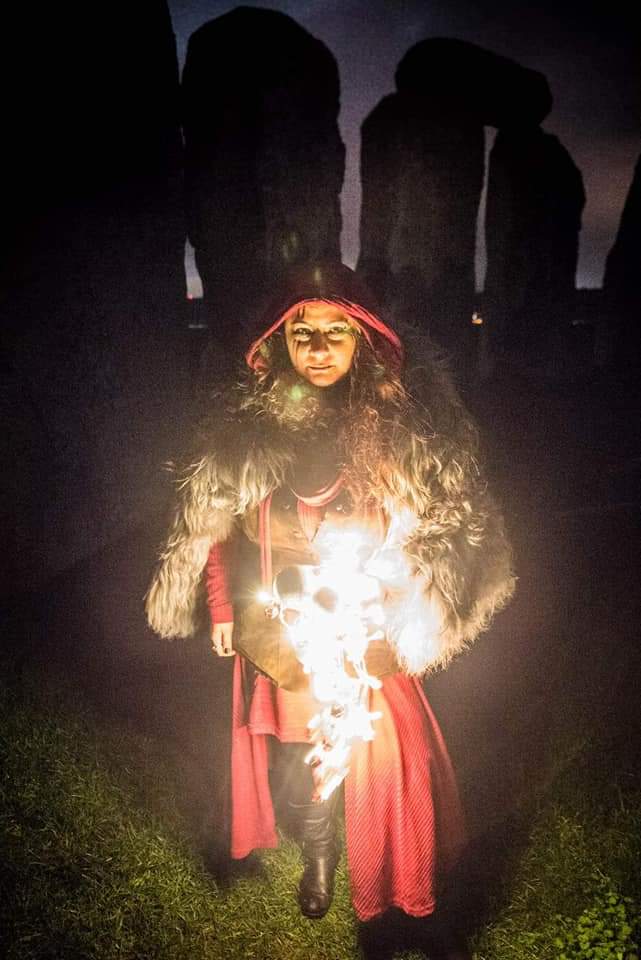
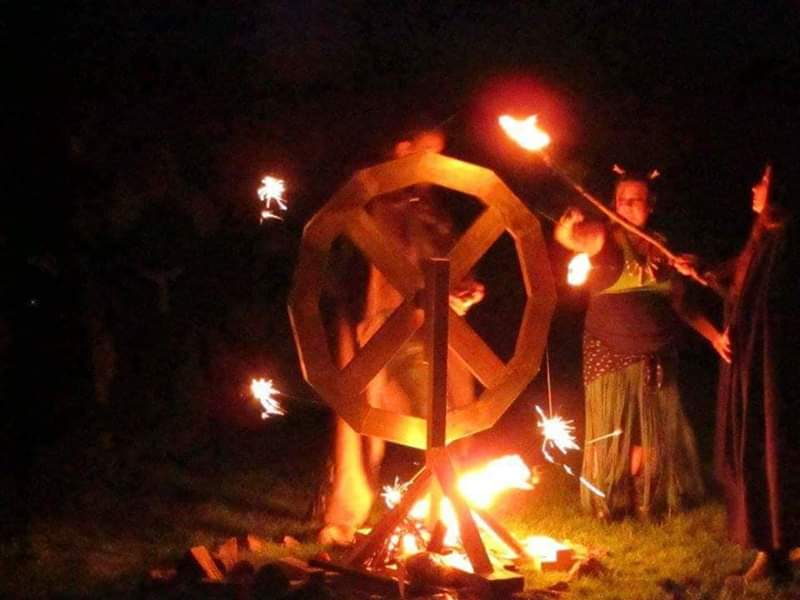
So the year is coming to a close. The veil thins as we approach the tipping point of another season and head towards the darkness of Winter. It is a time when most modern Pagans celebrate the new year with the end of the harvest and the turning of the wheel.

This boundary between old and new, past and future, darkness and light is a magical time. It can be felt in the air and in the soul twisting around, neither one thing or the other. For those who walk [slither?] the path of the serpent, nothing could be more symbolic of regeneration than the dying year shedding it’s skin to emerge fresh and shiny in the spring, to evoke feelings of hope and the change we can manifest in ourselves.

Coils of the Dragon

In the stillness of the frosty mornings or quiet twilight of dusk, the constant undulating of the Dragon can be felt. Her message is carried on the smokey fog, gently whispering – “Every end is a beginning; Let go.” as she coils around one more time. And so, we in turn mirror nature in shaking off the years tribulations and letting our leaves, fall peaceful in the knowledge that the lessons they have taught us shall cultivate our growth. Percolating, fermenting, over the dormant months until, like the earth, new shoots reach for the sun when the Spring breaks.

Now is the time to take stock, tally up your achievements and chalk up your losses of the previous months and balance the spiritual books, so to speak, so that we can move forward clear of baggage. Like the serpent sheds her skin, we too can evolve into the next version of ourselves.

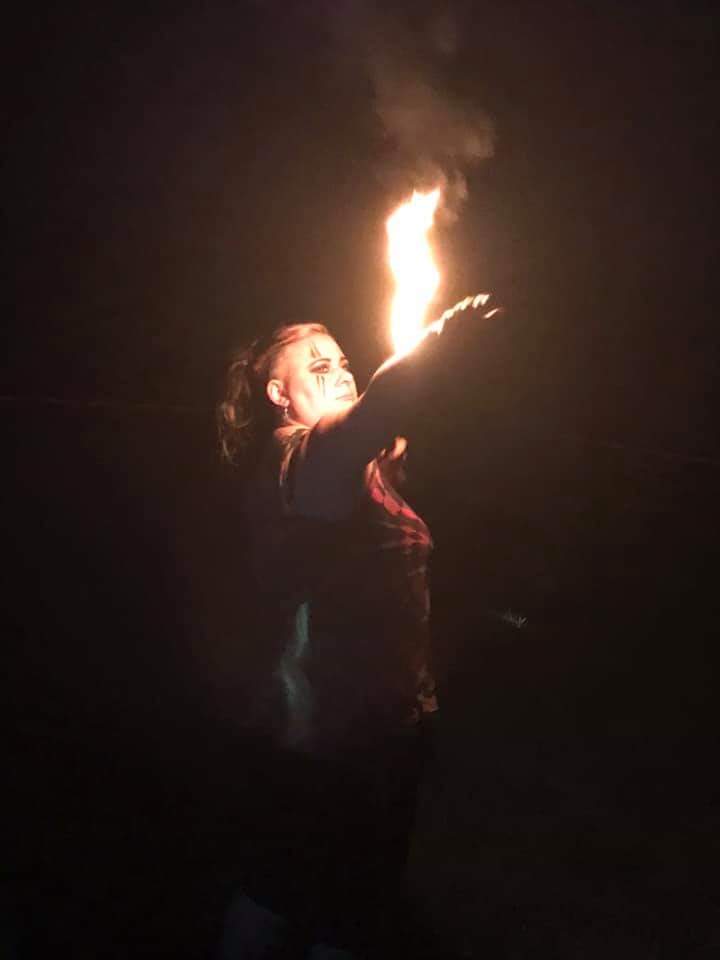
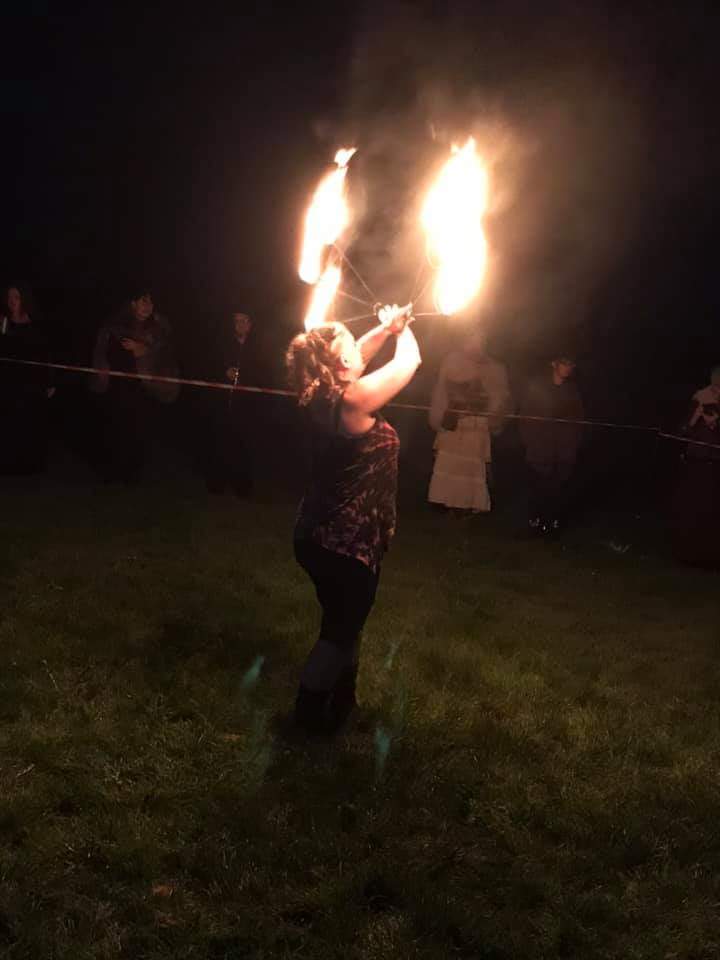
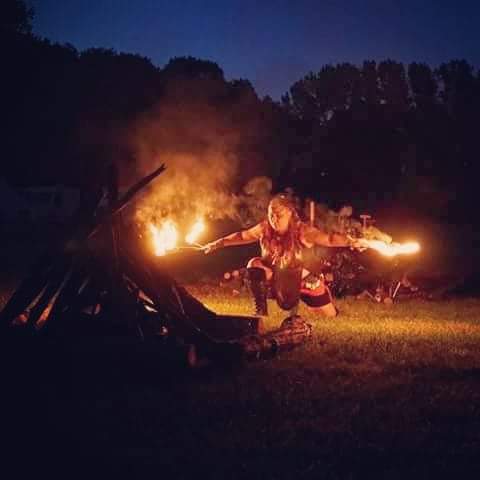
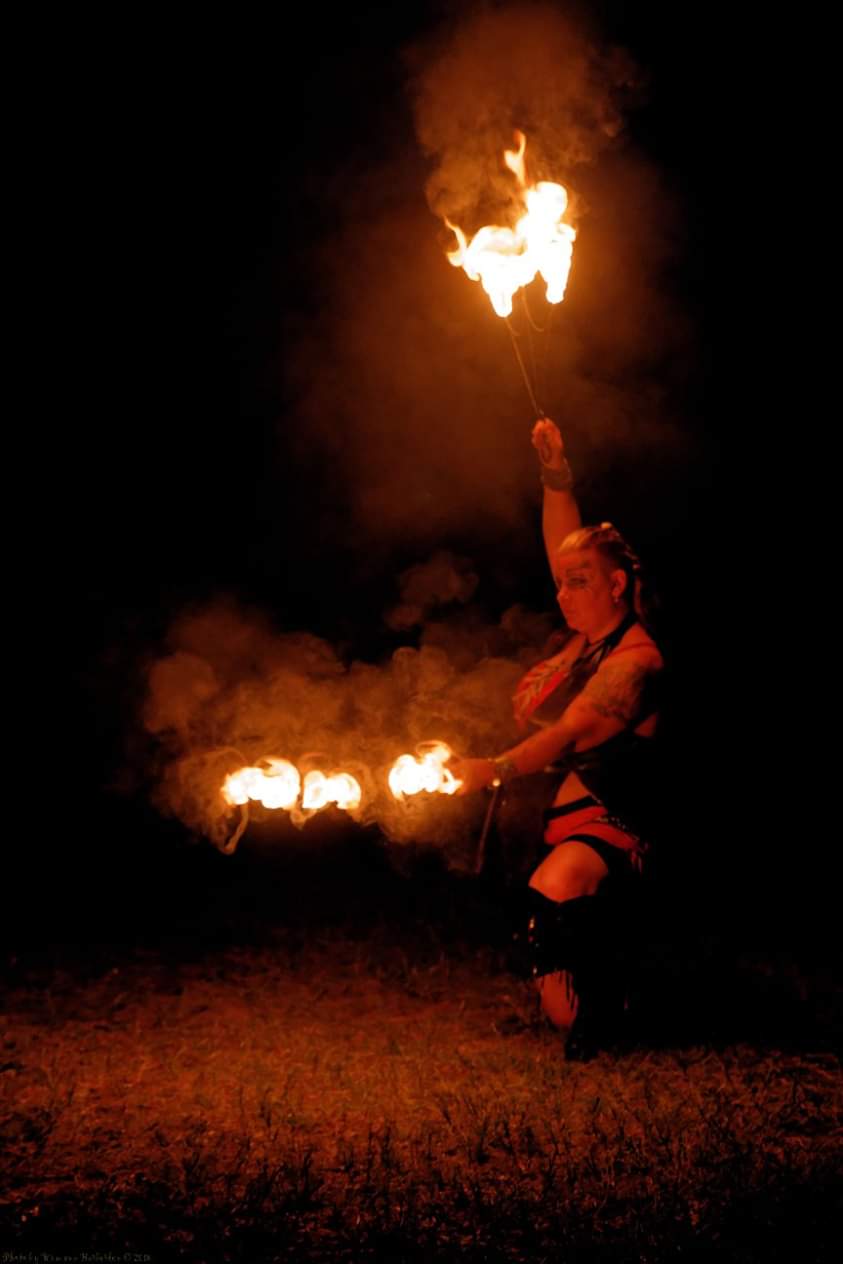
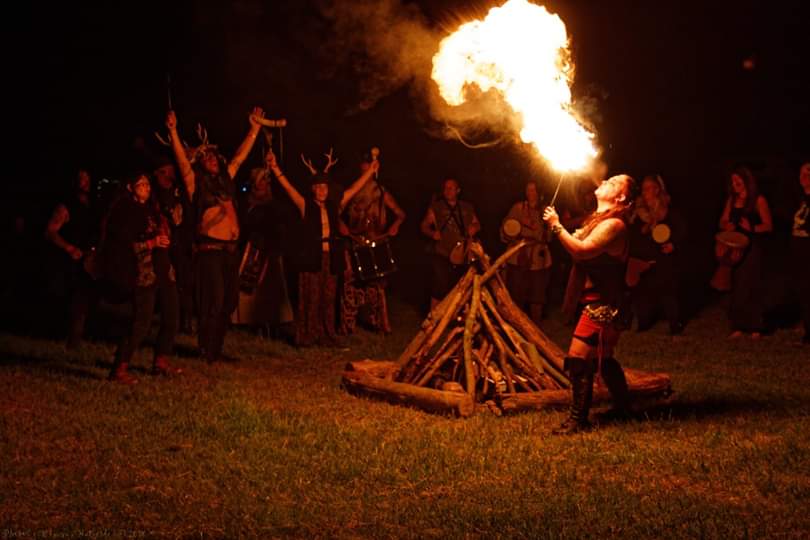
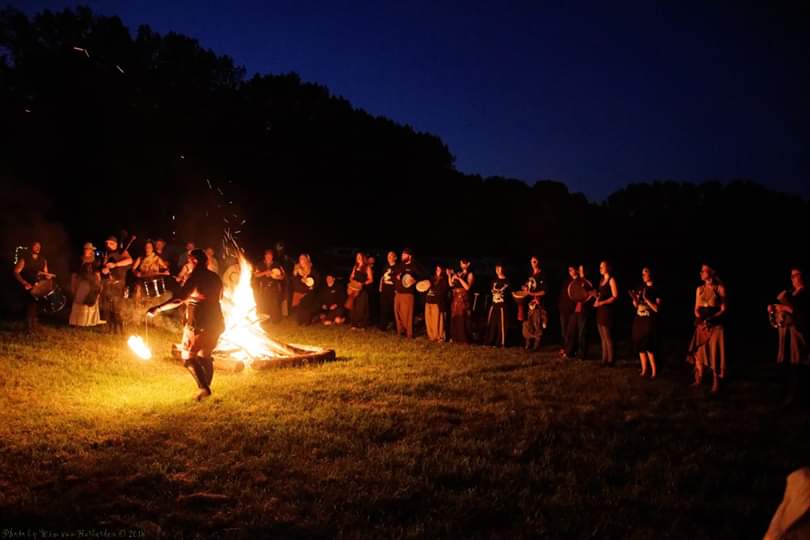
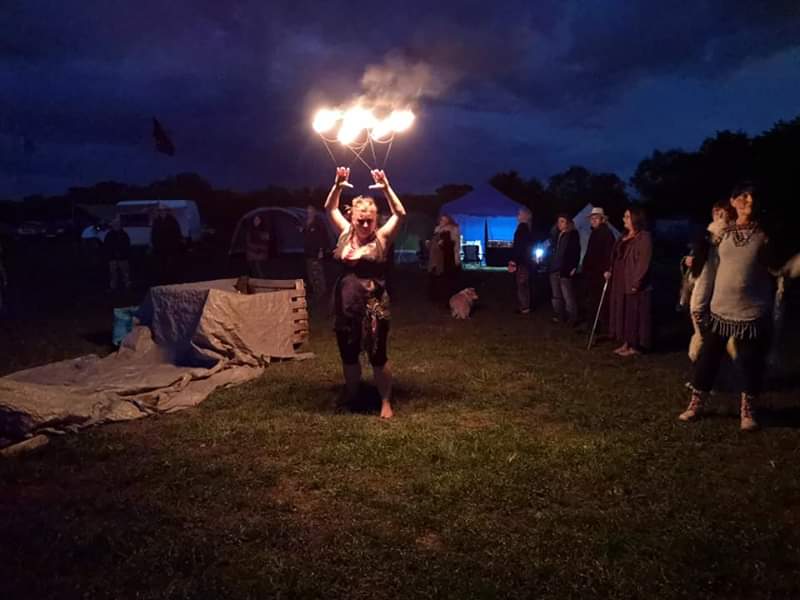
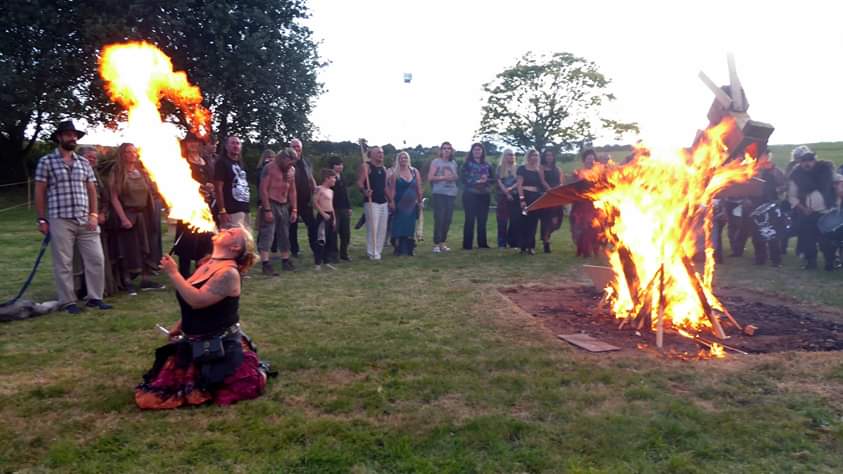
Dancing the fire at Samhain

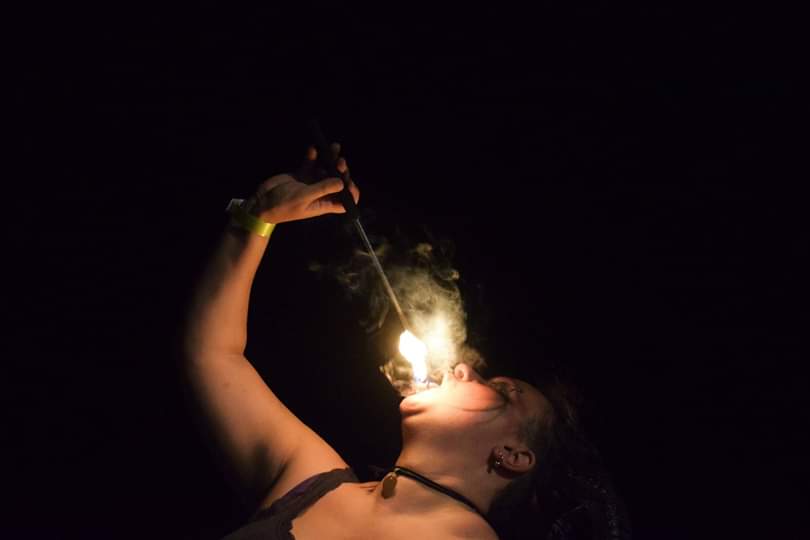
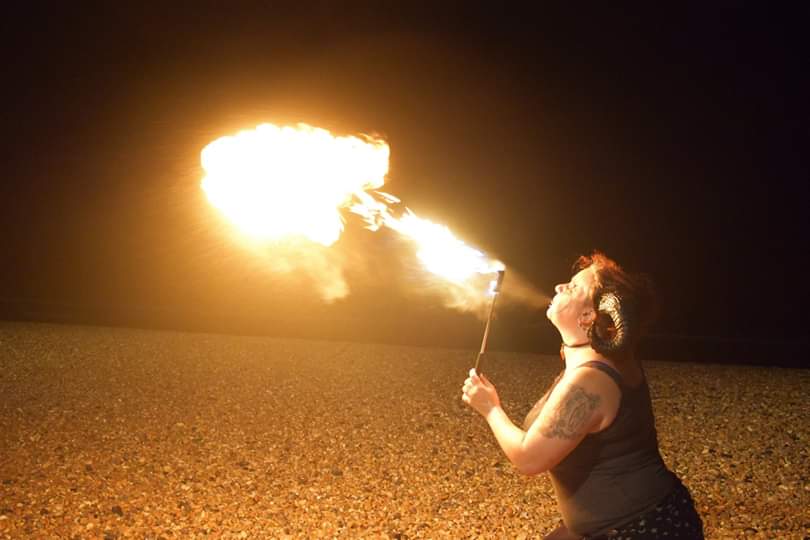
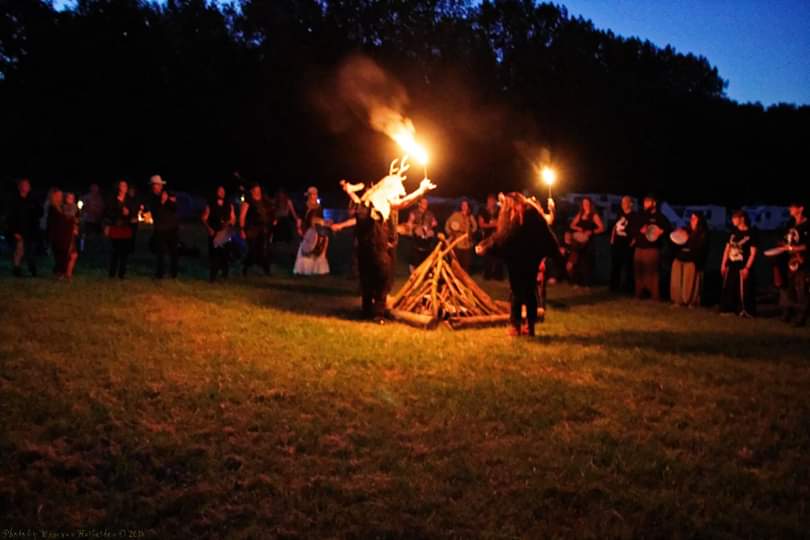
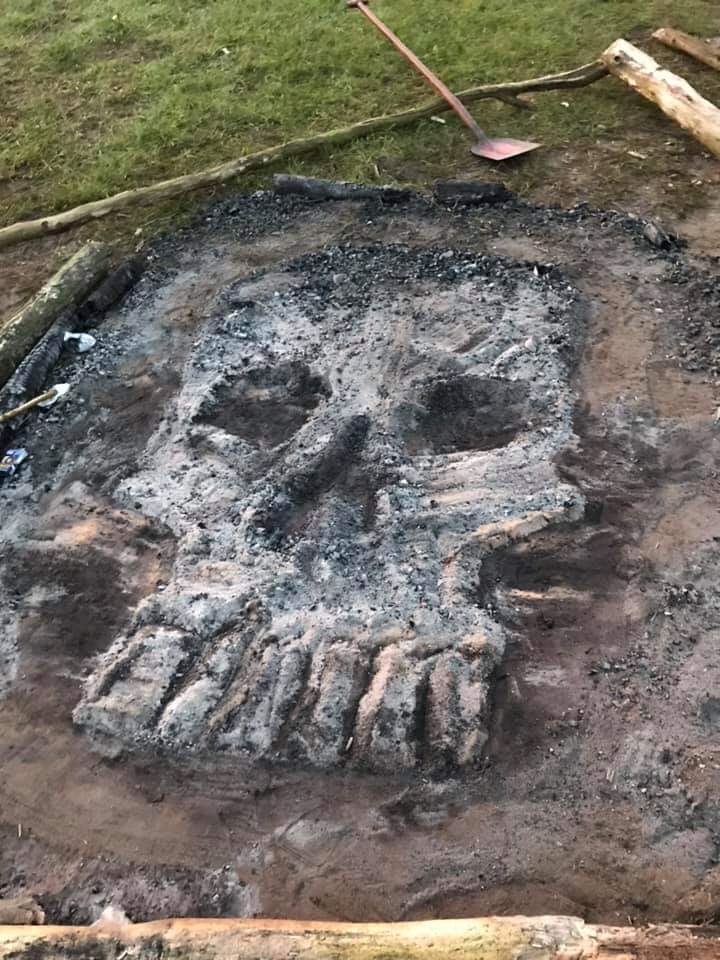
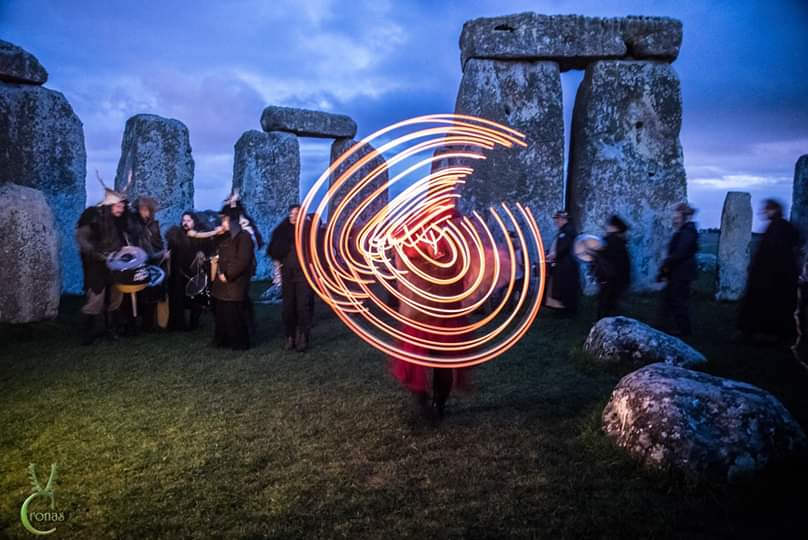
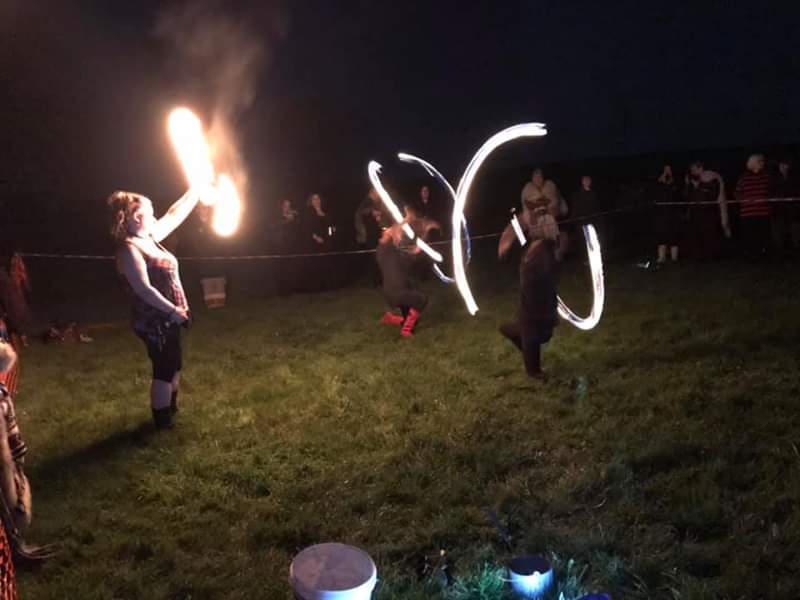
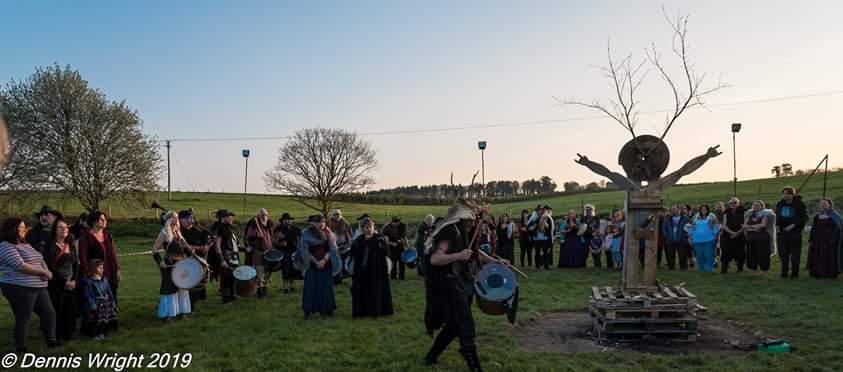
Hold on to the light of the fading summer and ignite the Samahin pyre! Gather together in the firelight, share food, stories and cast your fallen leaves into the flames with a handful of sugar as you make your affirmations (it makes the fire smell sweet, but it gives off a cloud of sparkle – be careful!). Pass the mead and remember your loved ones and your ancestors. Now is not the time for sorrow, it is time for revelry to mark the passing of another Sun. To mark the joy and pain in equal measure and put ghosts to rest. Clear out the cobwebs from the cupboard of your life and prepare to enter the long cold nights with a plan. Plans of next year’s adventures! Plot your dreams and goals while the Goddess takes her wintery sleep because you know you had better be ready to fly when she wakes up. There may be heartbreak along the way but we shouldn’t let that discourage us. Face the darkness, find solitude, discover the self, make plans, be brave, grasp those dreams and grow, grow, grow like the shiny thing you are.
Merry Samhain

Dragons & Treasure

Dragons & Treasure

So, one of my friends posted a whimsical (and mostly rhetorical) question on social media the other day pondering why dragons love treasure so much.

This left me in an unusual position. Do I join in with the silliness and hypothetical suggestions, or geek out and share what I know, potentially looking like at best a killjoy or at worst; a pompous ass. Here’s the compromise – I left a comment saying I knew the connection, and decided to blog my answer over here. So if you followed the link from the thread: welcome! Prepare to be shocked.. Stunned… Or possibly just disappointed at the anti-climax of it all. 😂

TL:DR answer is TREASURE = KNOWLEDGE.

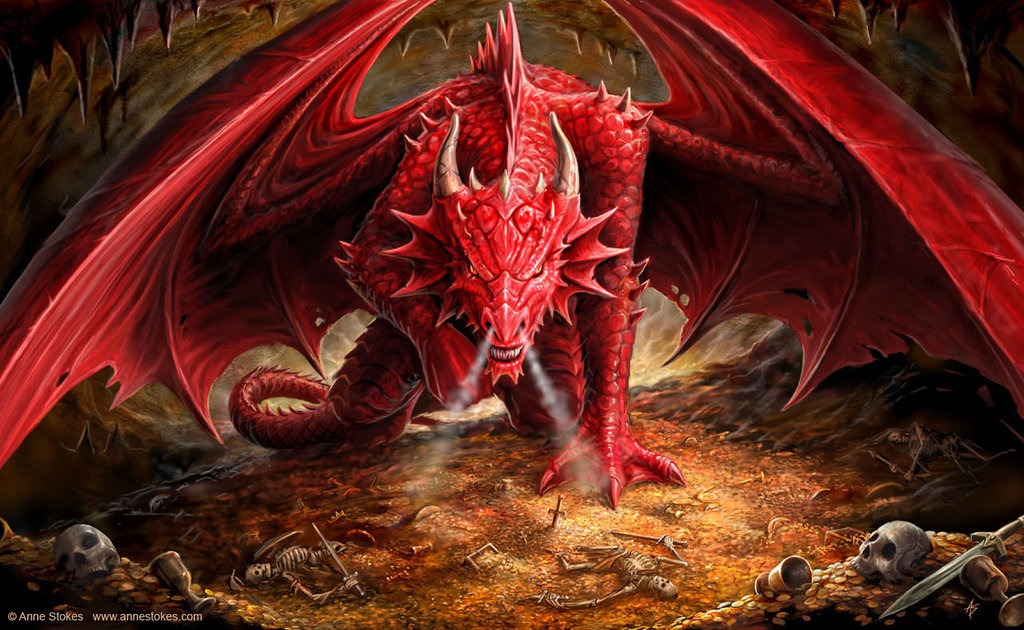
The longer explanation is this: Under scrutiny we have the stereotypical grumpy dragon, wallowing in a cave hoarding a mountain of gold, jewels, armour and sacred objects, offering a fiery death to any Knight or hero who dare enter the lair. How did this come about?

Well, considering in this context that dragons are mythical beasts, then I’m afraid we must recognise that the treasure hoard is also mythical. Or rather, metaphorical and the real historical events behind this fantasy have been smudged and rewritten, devalued and told as only fairytale.

The word ‘Dragon’ as we know it comes from the Greek ‘Drakein’ whose meaning translates as ‘that which sees’ or ‘that which shines’ and relates to the eye. The eye can both see and shine. It can can see to read and learn, and it can shine from the knowledge it has gained. From this, the mantle of Dragon was given to learned people; chiefs, druids, prophets, healers, alchemists and astrologers. Also, strangely mixed up in this bunch were the blacksmiths for they had the knowledge of how to manipulate fire and smelt. (This is why forges are considered magical places.. But that’s a story for another time.)

This knowledge was passed down through oral tradition for millennia and it accumulated like a snowball rolling downhill with every generation, adding to its wealth as technology grew. And this is where knowledge becomes treasure: wealth. What is precious and irreplaceable? How do you place a price on knowledge?

In the days of the early Celtic Church in Europe (4th & 5th century onwards) many ‘dragons’ were invited to have their knowledge written down by the monks. This was not well received as many believed knowledge to be a living thing in itself and so resistance began between Christian scholars and the leaders of the local communities until most people denied knowing anything of worth. What was particularly coveted was the sacred teachings and ancient beliefs held by the Pagan people of the time and the lineage by which they had come by this knowledge.

The ‘dragons’ (mostly druids by this point) refused to give it up. Remember, they considered it a kind of blasphemy to actually write down something that was so sacred. If knowledge was a living thing, then defining it forever on paper would be akin to trapping it and preventing it from growing. It would mean killing it.

So what happened? Unfortunately what happens too often; the demonisation of ‘the other’. As Celtic Christianity gave way to Roman Christianity the pursuit of those still teaching and celebrating the old ways became even more zealous as the new religion sought to convert and thereby control the people. Druids went into hiding. Some were captured and killed. Some were captured and gave in following torture and dictated their sacred histories to monks who Anglicised them bringing them in line with Rome’s version of the one true God of the newly adopted Abrahamic traditions. These Druids were the early ‘saints’, their tortured deaths repackaged as martyrdom.

The imagery of the protective beasts of the (also resistant) Northern European tribes (vikings, basically) was taken and vilified. Instead of the Dragons head protecting the bow of a boat or the gable of a house, they were now depicted snarling over the treasure they refused to give up, not they wealth of generations, but reduced to piles of jewels and gold. Gold and family heirlooms that the tax collectors of Rome had so recently extracted from people whose families had lived and worked this land since the dawn of time (a sad and familiar story).

And there you have it. The demonisation of those with knowledge by those with power, and the vilification of a sacred guardian to act as a cautionary tale to others who resist the authority of the Church.

Pearls of Wisdom

Pearls of Wisdom

As I sit here and listen to the rain, I’m reminded of the all the dragon myths and culture that are associated not with fire – but with water.

Primarily in the Eastern cultures is where we find large bodies of water, rain and particularly rivers associated with dragons. Often they were the very spirit of the river itself. Fast dangerous waters are elemental and unpredictable, they twist and writhe like a serpent, carving a trough through the land in their wake. People’s lives were at the mercy of the water supply; too little and the harvest would fail, too much and the whole crop would be washed away and their homes with it spelling disaster for a community. It was best not to anger these guardians of the rivers and no wonder they were revered

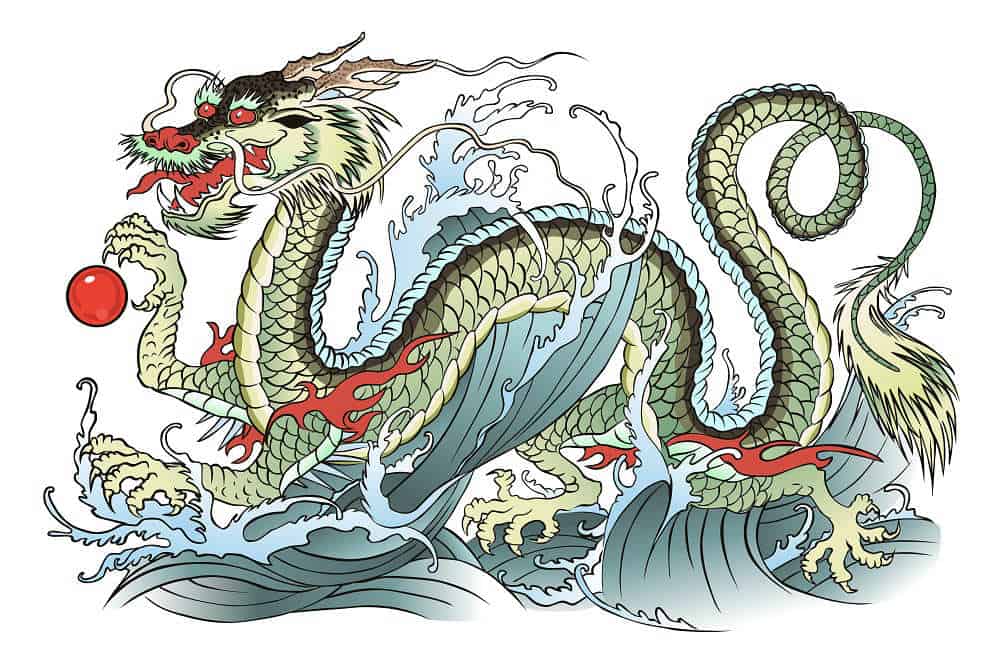
The Pearl of Wisdom

Some Chinese dragons are seen with a flaming pearl under their chin. This pearl represents the “Sacred Pearl” or “Pearl of Wisdom”.  The simplest metaphor is ‘truth and life’, a Taoist concept in which the moon, water, pearls and serpents have a complex relationship. It means we should all speak our own truth, and what is true and meaningful for us, may not be for someone else.

Both the moon and the serpent are symbols of immortality in that a snake sheds and is reborn and the moons phase renews every month.  The moon has influence over all the earth’s water, including the water in the human body. Despite the strong lunar symbolism and the connection with oceans, tides and water in general, however, there are some myths that also connect the pearl with thunder, the sun, and egg symbolism. All are viable interpretations, and is largely dependent on what the dragon’s purpose is. For example:

  •   There are dragons carved on the tops of bells and gongs, because of the beast’s habit of calling loudly when attacked. 
  • A second type is carved on the screws of fiddles, since most dragons are fond of music. 
  • A third is carved on the tops of stone tablets, because of dragons’ love of literature. 
  • A fourth is found at the bottom of stone monuments, as dragons can support heavy weights. 
  • A fifth is placed on the eaves of temples, as dragons are ever alert to danger. 
  • A sixth occurs on the beams of bridges, since dragons are fond of water. 
  • A seventh is carved on Buddha’s throne, as dragons like to rest. 
  • An eighth is placed on the hilts of swords, since dragons are known to be capable of slaughter. 
  • The ninth is carved on prison gates, as these are dragons that are fond of quarrelling and trouble making.

And on days like this, it’s not too difficult to imagine a lithe and feathered serpent twisting through the stormy air, coiling around the heavy clouds, tail whipping the rain into a sizzling mist, with a roar like distant thunder…

The Journey Begins

The Journey Begins

Thanks for joining me!

Over the years I have been practising and developing Dragon Shamanism, this is the first step in sharing my journey with the sacred serpent.

I’m primarily a speaker, not a writer so this is also a exercise for me to get into a good habit of writing everyday.  It doesn’t have to be an essay, just *something*… Anything! So please be patient, because it’s going to take me a while to get into the daily swing of sharing all things Dragon.

In and amongst the daily musings I’ll be sure to post longer articles as well, things that I hope will inspire, make you think and give a little an insight into what it means to be a Shaman and work with the Divine Serpent.

So a very warm welcome, and I’m looking forward to getting to know you.

Good company in a journey makes the way seem shorter. — Izaak Walton

post